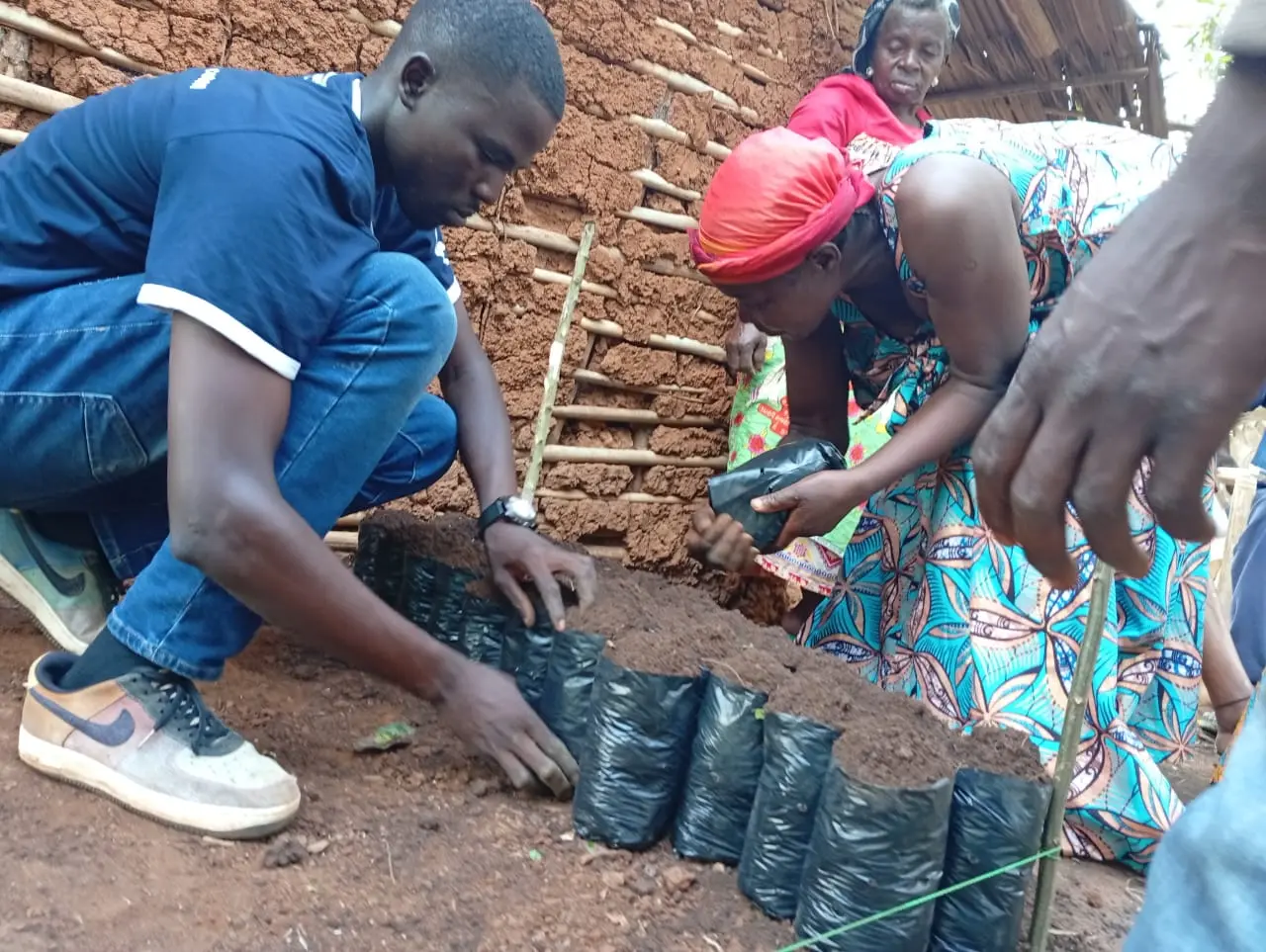
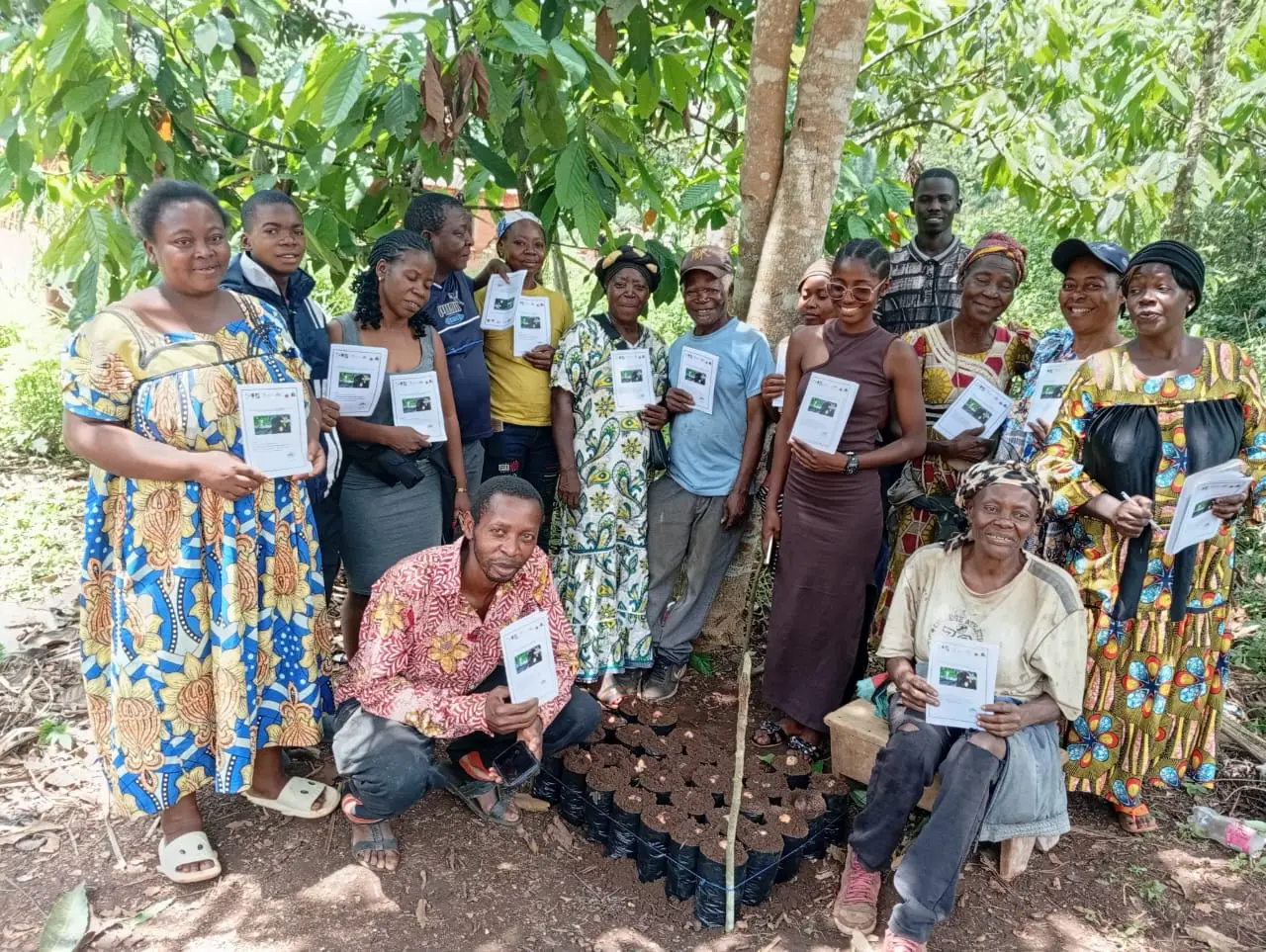
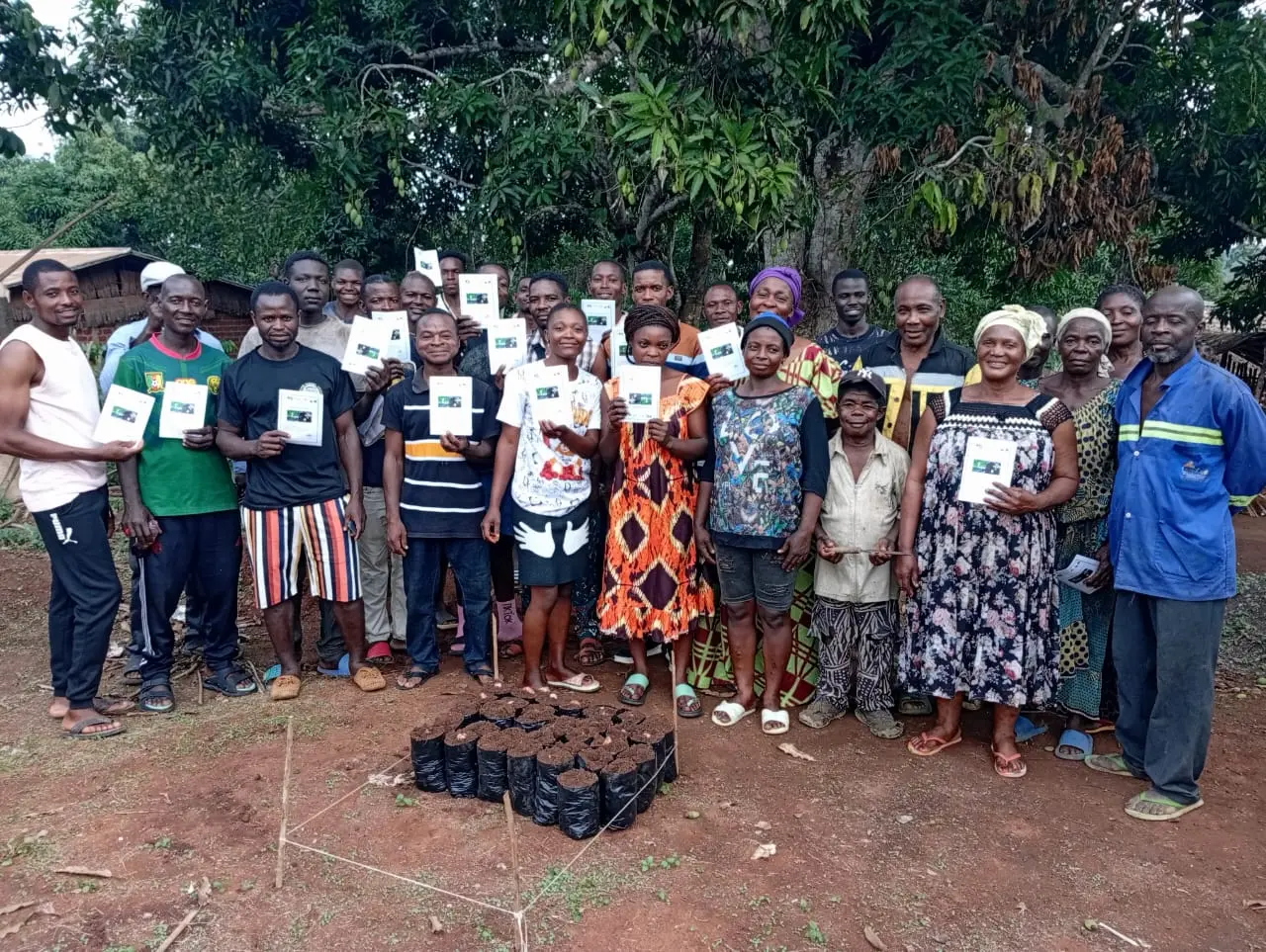
As part of the PROCOM MAÏS ABF-GIZ project, Ecotrading in collaboration with the PFNL cooperatives of the Minta municipality in the Haute-Sanaga department in the Center region of Cameroon and the Mintom municipality, in the Dja-et-Lobo department, South region of Cameroon, has established, as every year according to the project context, an initiative for training producers on the establishment of individual village nurseries. This initiative for the year 2026 began in February and is ongoing in the target localities, with the aim of promoting agroforestry and the valorization of PFNL (Non-Timber Forest Products).
Training Objective
The training aims to educate communities in agri-business and the techniques for planting useful tree seedlings, while raising awareness about the importance of conservation, forest protection, and the restoration of areas destroyed by the establishment of agricultural fields. The goal is to promote the practice of agroforestry while establishing nurseries for useful trees such as avocado, soursop, safou, wild mango, and citrus (mandarin, orange, and lemon).
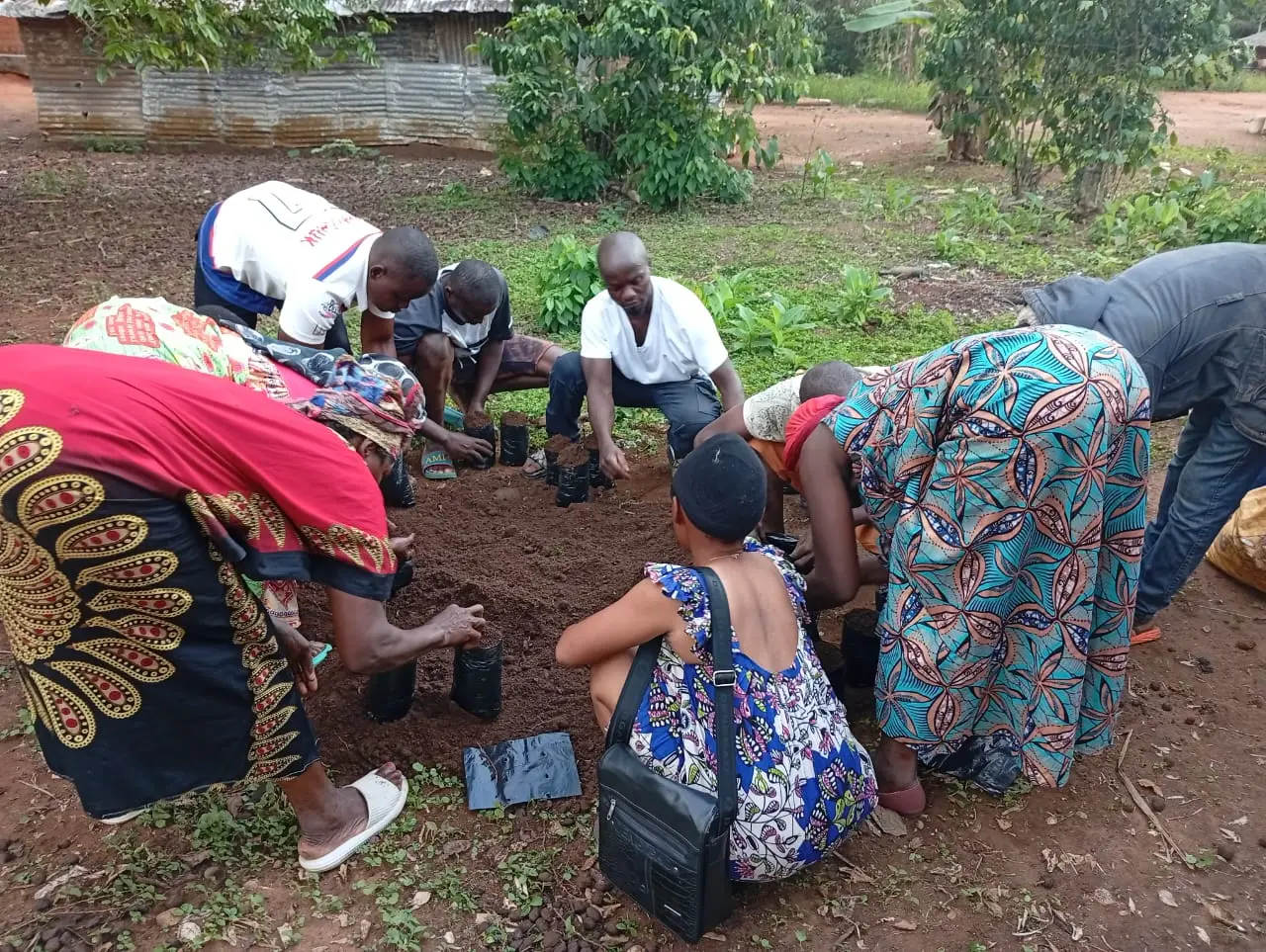
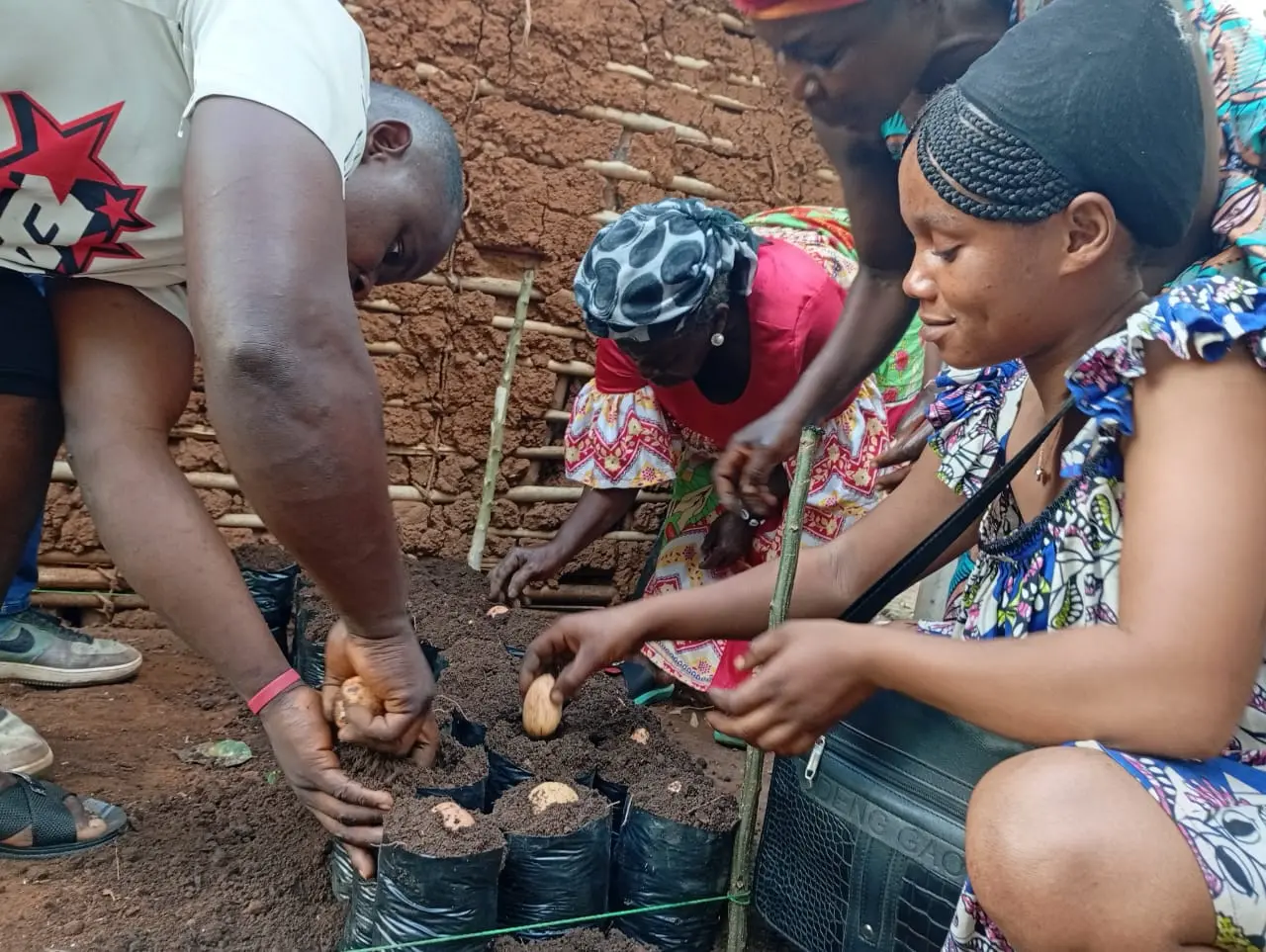
Training Process
The training takes place in two phases: a theoretical phase and a practical phase. More than 360 people from 10 localities in the municipalities of Minta and Mintom have already participated in the training. The communities of Yeng Yo, Minta village, Mendom, Ebangal, and Minta-Abokmou in the Minta district, as well as those from Akak, Endom center, Oveng, Kam 1 and Nyadogo in the Endom district, have benefited from the training.
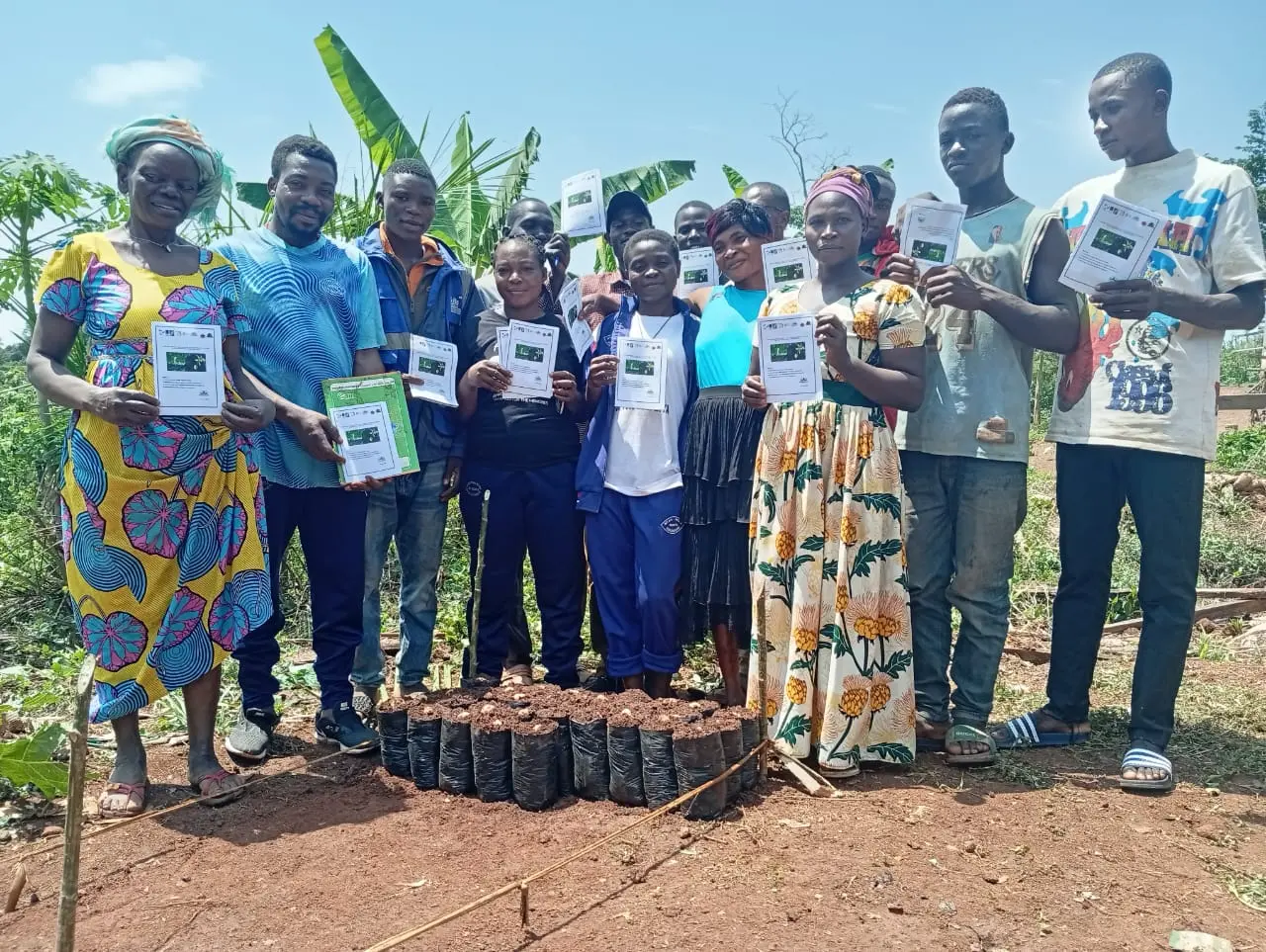
First encouraging results
The results are already encouraging, with participants who have applied the acquired knowledge, notably the mixing of potting soil, filling of bags, making of the germinator, making of the board, watering the substrate, sowing, and treating the seedlings in the nursery. At the end of the training, bags, seeds, and fruit tree seedlings were distributed to the participants to enable them to set up their own nursery. Approximately 3000 avocado pits and bags, 400 soursop seedlings, 1500 soursop seeds, and 200 orange/lemon seedlings were distributed in the ten localities.
This initiative aims to promote agroforestry and forest conservation, while improving the livelihoods of local communities. It is expected that the trained producers will apply the acquired knowledge to contribute to the restoration of destroyed areas and the promotion of agroforestry in the region.